

An examination of approximately 3,000 military documents belonging to the Syrian Democratic Forces (SDF) revealed an organizational pattern based on ethnic affiliation in the distribution of combat roles, raising questions about the cohesion of the militia, which claims to be pluralistic, in the event of large-scale confrontations.
Specialized researchers who analyzed documents related to troop movements and recruitment reported that the SDF leadership deliberately places brigades with an Arab component in the front lines and direct contact points, while Kurdish units are kept as elite forces in rear areas.
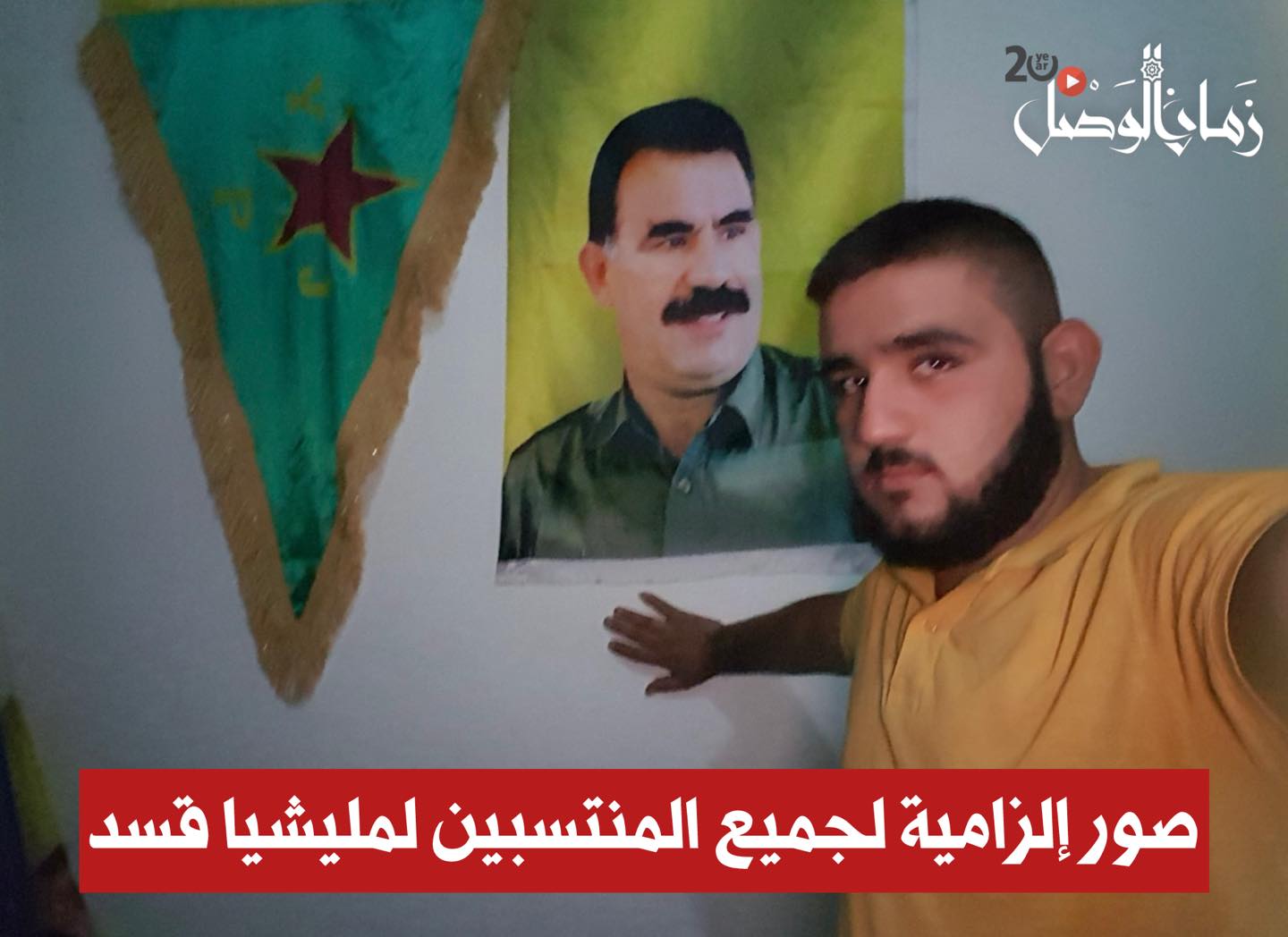
Frontline Tactics
According to the study of the documents, the "Martyr Qahraman Brigade" (3rd Regiment - Martyr Adel Bakour Regiment) stands out as a prime example of this pattern. The data shows that the brigade is entirely composed of Arabs, the majority of whom are from the city of Raqqa.
The leaked military plans indicate that these Arab units operate as an advanced force in high-risk areas, making them vulnerable to initial attrition in the event of an attack. In contrast, the documents reveal the deployment of small battalions comprised of Kurdish fighters (both Syrian and Turkish) in locations relatively far from the front lines. These battalions are classified as elite forces prepared for hit-and-run attacks or tactical redeployment.
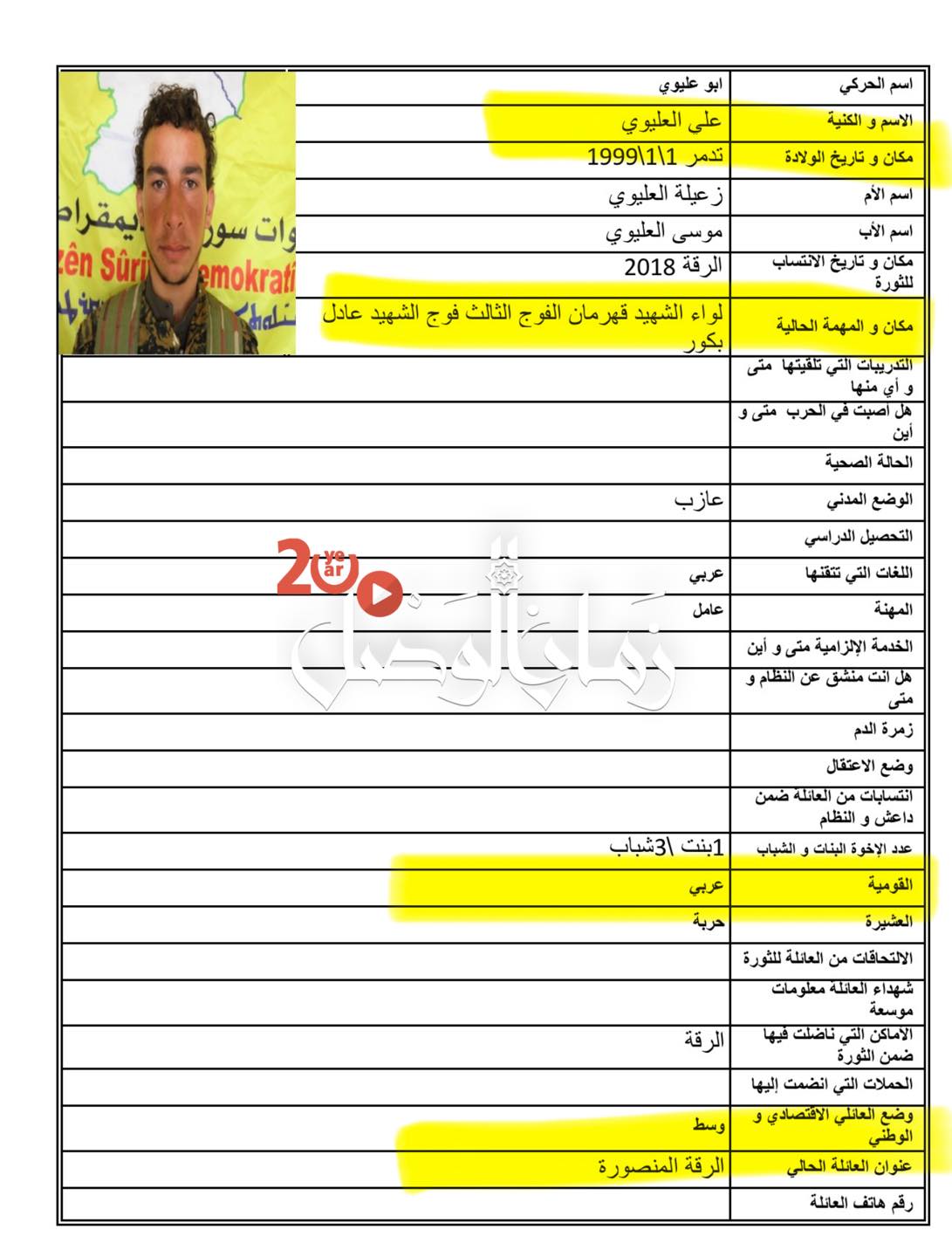
Concerns about Defections
Informed sources told Zaman al-Wasl that this military tactic is causing internal concern among the militia's leadership. The sources indicated doubts about the loyalty of these Arab battalions in potential confrontations against forces supported by their "cousins" on the opposing side.
The most prominent points in the documents and testimonies can be summarized as follows:
- Geographical Deployment: Arab units are concentrated in the most volatile areas on the front lines.
- Force Structure: Elite roles are confined to specific Kurdish battalions tasked with carrying out specialized operations.
- Defensive Strategy: Reliance on numerical superiority among the Arab forces to absorb the initial shock of any attack and delay the deployment of elite forces.
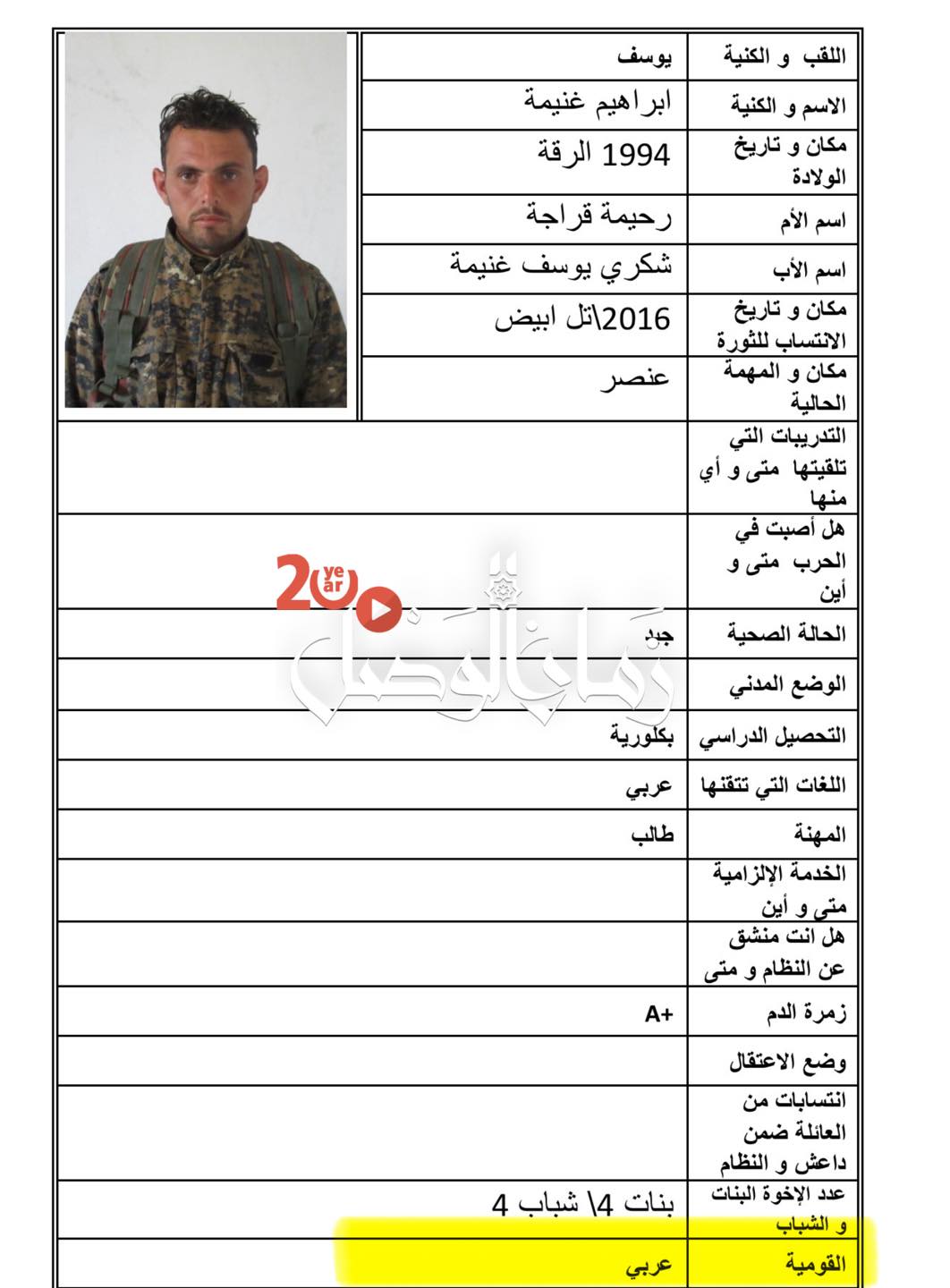
Challenges of Pluralism
Despite the official rhetoric of the Syrian Democratic Forces (SDF), which emphasizes "brotherhood of peoples" and ethnic diversity under the umbrella of self-administration, these realities raise questions about the "command and control structure" and the level of mutual trust among the various components of the US-backed forces.
Observers believe that this ethnic-based segregation could represent a "soft underbelly" for the SDF, especially given the growing resentment in Arab-majority areas, which are witnessing frequent protests against recruitment and military deployment policies.
Zaman Al Wasl


Comments About This Article
Please fill the fields below.